
Gaming
Kuiper Satellite Internet in Nigeria: Approval by NCC


Kuiper, officially called Project Kuiper, is Amazon’s answer to one of the world’s biggest connectivity gaps: reliable internet access outside major cities.
Instead of fibre cables or mobile towers, Kuiper relies on thousands of low Earth orbit (LEO) satellites to beam broadband directly to users on the ground.
For Nigerians, Kuiper became real in January 2026, when the Nigerian Communications Commission (NCC)approved Amazon to operate satellite internet services in the country—bringing long-awaited competition to Starlink.
Kuiper in Nigeria — The Short Version
Owner: Amazon
Technology: Low Earth orbit satellite internet
Nigeria status: NCC approval granted (active from Feb 28, 2026)
Who it’s for: Homes, businesses, rural communities, enterprises
Why it matters: Competition, coverage expansion, and potential price relief
What Exactly Is Project Kuiper?
Project Kuiper is Amazon’s plan to build a global satellite broadband networkmade up of more than 3,200 satellitesorbiting much closer to Earth than traditional satellite systems.
That proximity matters. Older satellite internet feels slow because data travels huge distances. Kuiper’s satellites orbit lower, cutting delay and making everyday use—video calls, cloud apps, streaming—feel far more responsive.
According to Amazon’s official Project Kuiper announcement, the project is focused on expanding broadband access to underserved and unserved regions worldwide, including emerging markets like Nigeria.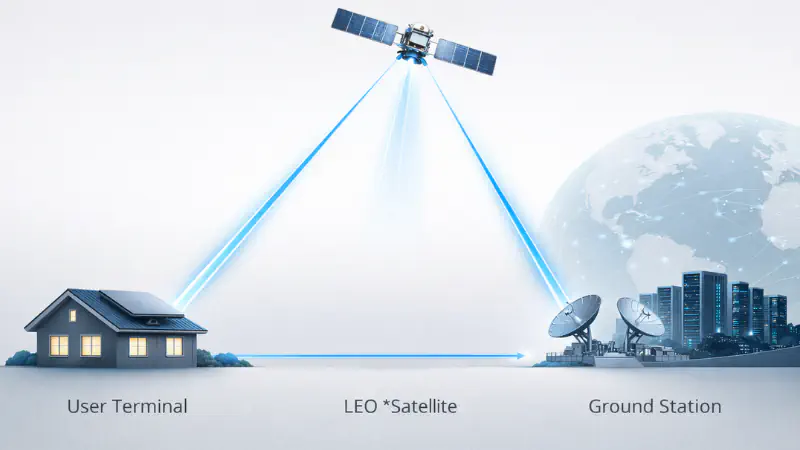
Who Owns and Runs Kuiper?
Kuiper is fully owned and funded by Amazon. There are no external telecom operators running the network behind the scenes.
Amazon has committed billions of dollars to satellites, launches, ground stations, and customer hardware. This is not an experiment—it’s long-term infrastructure backed by one of the world’s largest technology companies.
How Kuiper Works (Without the Jargon)
Here’s the simple version:
You install a small, flat satellite dish at home or work
The dish connects to LEO satellites passing overhead
Data is relayed to ground stations
From there, traffic moves across the global internet
Because the satellites are closer to Earth, Kuiper delivers lower latency and more stable speeds than older satellite systems.
Expected Speeds and Performance
Amazon hasn’t released final performance numbers yet, but based on LEO satellite benchmarks, Kuiper is expected to deliver:
| Metric | What to Expect |
|---|---|
| Download speed | 100–400 Mbps |
| Upload speed | 20–50 Mbps |
| Latency | Around 20–50 ms |
That’s fast enough for gaming, video calls, remote work, and 4K streaming.
NCC Approval: Why This Is a Big Deal for Nigeria
In January 2026, the Nigerian Communications Commission (NCC)issued Amazon a seven-year landing permit to operate Project Kuiper in Nigeria.
The development was first reported by TechCabal, and it marked a major shift in Nigeria’s broadband strategy—satellite internet is no longer treated as a fringe option.
Under this approval, Kuiper can provide:
Fixed Satellite Services (FSS)
Mobile Satellite Services (MSS)
Earth Stations in Motion (ESIM)for ships, vehicles, and aircraft
This goes well beyond residential internet.
What Kuiper’s Entry Actually Means for Nigerians
Until now, Starlink has had a clear head start in Nigeria’s LEO satellite market. Kuiper’s approval changes that dynamic.
Competition usually leads to:
Better pricing over time
Improved service quality
Faster expansion into underserved areas
More options for consumers and businesses
For communities still struggling with unreliable mobile networks or no fibre access, this could be transformative.
Kuiper vs Starlink: The Nigeria Angle
| Feature | Kuiper | Starlink |
|---|---|---|
| Parent company | Amazon | SpaceX |
| Orbit | LEO | LEO |
| Nigeria status | Approved (2026 rollout) | Already live |
| Focus | Consumer + enterprise | Mostly consumer |
| Pricing strategy | Likely competitive | Premium at launch |
If you’re weighing costs today, this detailed breakdown of Starlink price in Nigeria in 2026 explains current hardware fees, monthly subscriptions, and what users realistically pay.
Satellite Internet Isn’t Just for Homes Anymore
Nigeria’s satellite ecosystem is expanding beyond fixed broadband. Initiatives like Airtel–Starlink direct-to-cell satellite connectivity are designed to extend mobile coverage into areas where traditional towers don’t make sense.
Kuiper’s approval adds another heavyweight provider to this growing ecosystem, particularly for enterprise, logistics, and mobility use cases.
When Will Kuiper Be Available in Nigeria?
Kuiper’s NCC licence becomes active on February 28, 2026. Actual service availability will depend on:
Satellite deployment milestones
Ground station readiness
Distribution of user terminals
Local operational partnerships
Early access is expected to focus on enterprise and priority regions, with wider consumer rollout later.
What About Pricing?
Amazon has not announced Nigerian pricing yet. Based on global LEO trends:
Hardware: roughly $300–$500
Monthly plans: expected to be competitive with existing satellite providers
Amazon has repeatedly emphasised affordability, but official figures are still pending.
Is Kuiper Worth Waiting For?
If you need satellite internet immediately, Starlink remains the practical choice today.
If you can wait, Kuiper introduces competition—and competition usually benefits users through better pricing and improved service quality. For many Nigerians, especially in underserved areas, Kuiper could be worth the wait.
Common Questions Nigerians Are Asking
Is Kuiper available in Nigeria now?
No. Approval is in place, but rollout begins after February 28, 2026.
Will Kuiper be cheaper than Starlink?
Possibly. Amazon’s scale suggests pricing pressure, but nothing is confirmed yet.
Can Kuiper reach rural communities?
Yes. That’s one of the core strengths of LEO satellite networks.
Will it work on moving platforms like ships or vehicles?
Yes. NCC approval includes mobile and in-motion satellite services.
Final Take
Kuiper’s arrival isn’t just another tech announcement—it’s a structural shiftin Nigeria’s broadband future.
With NCC approval secured and Amazon’s backing behind it, Project Kuiper has the potential to widen coverage, increase competition, and give Nigerians more control over how they access the internet.


